




SPECIAL OFFER
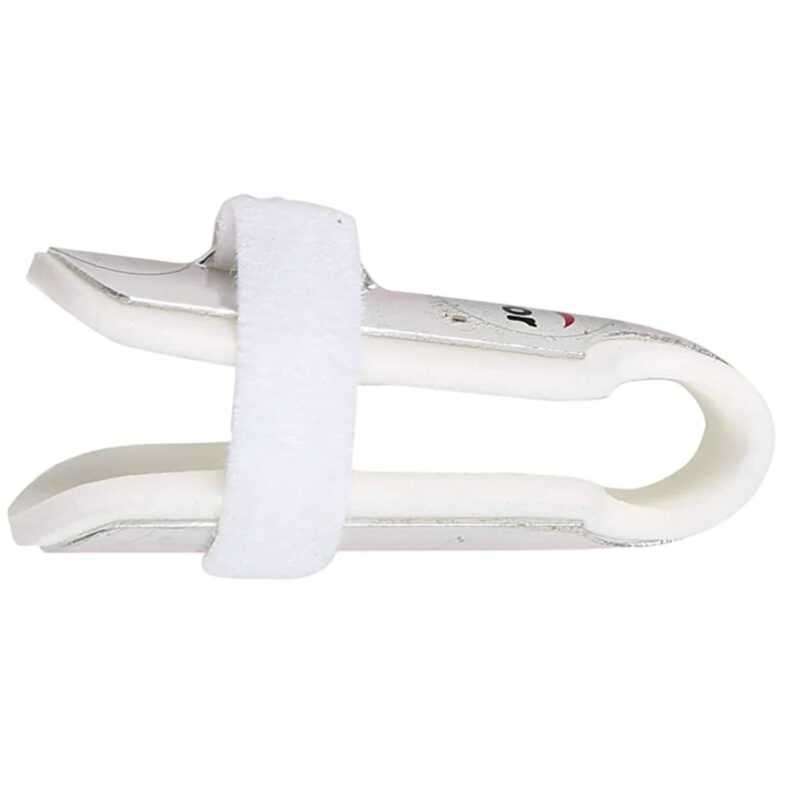
Mallet Finger Splint { MFS-04UN }

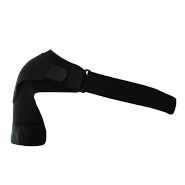
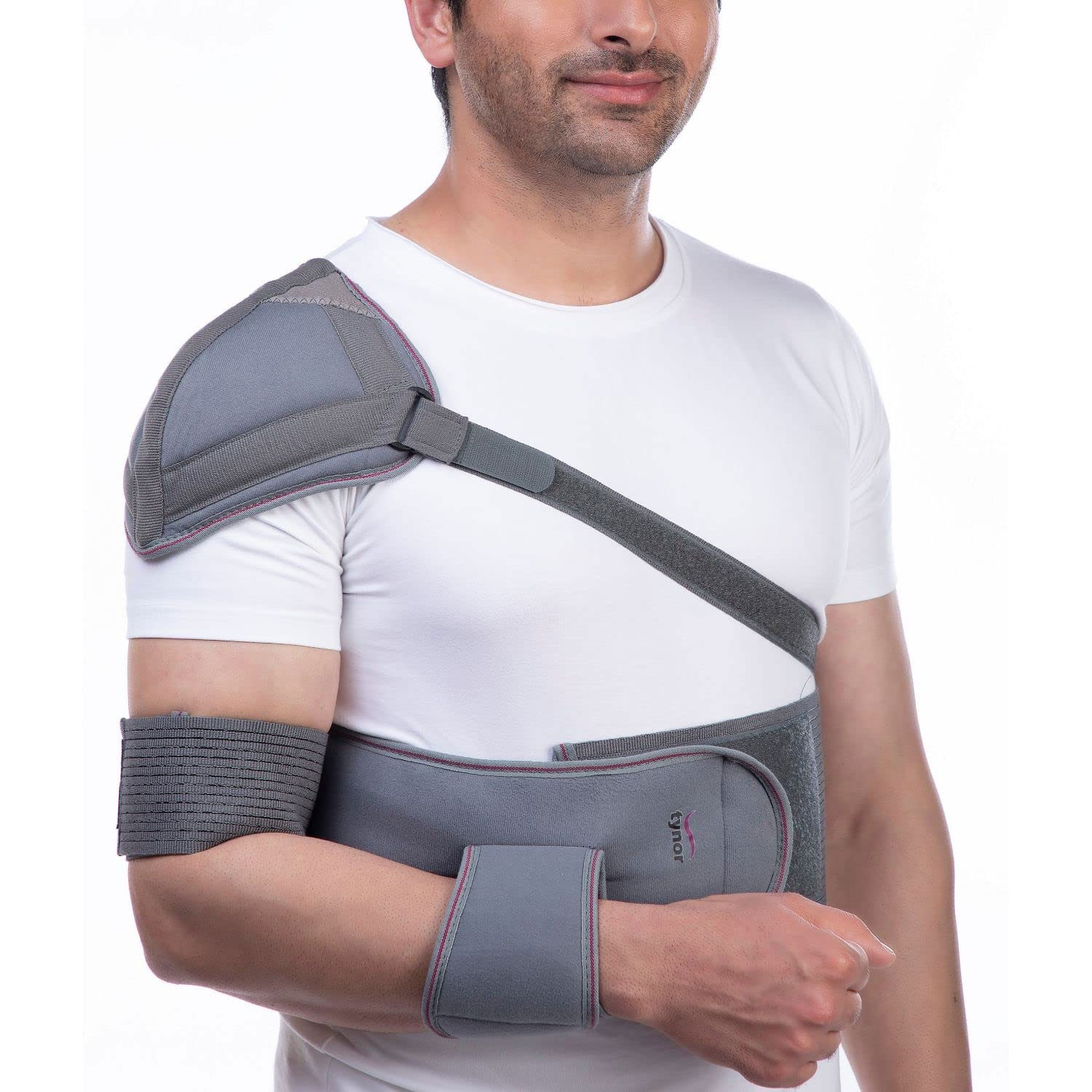
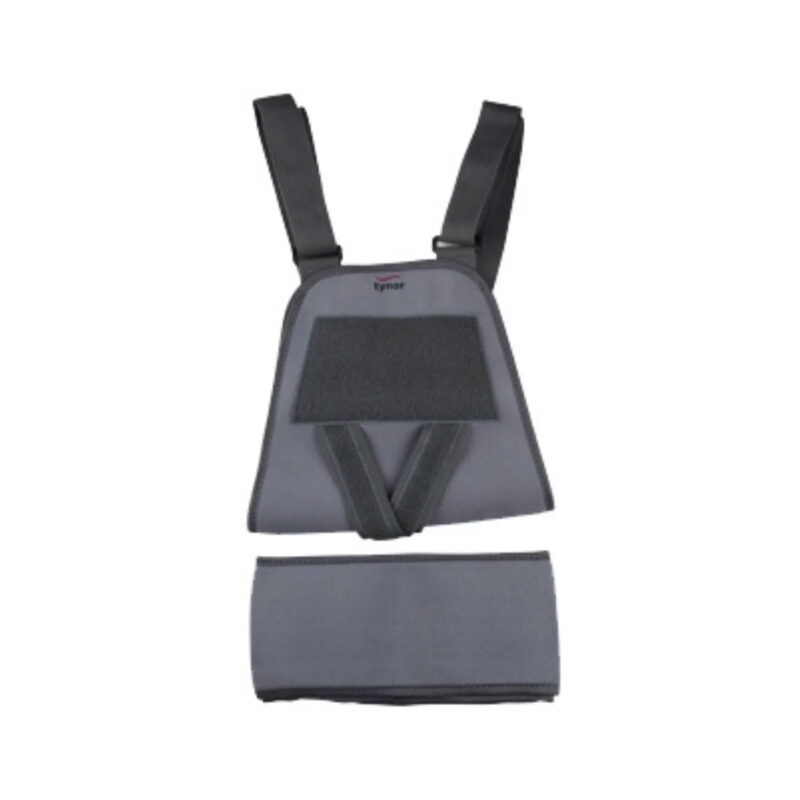
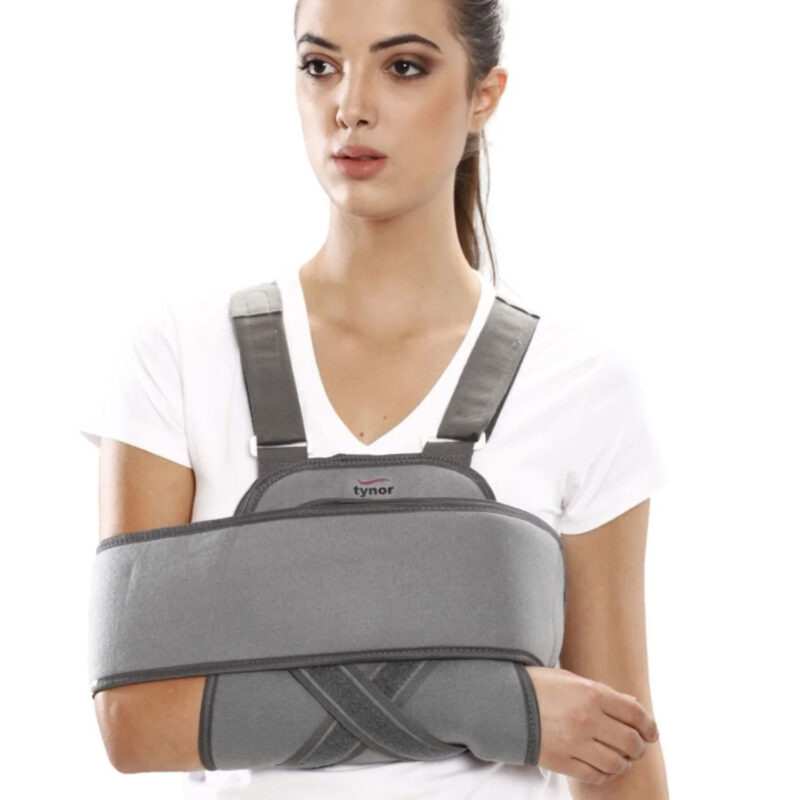
Elastic Shoulder Immobilizer Product Code -ESI-01AD
Shoulder Dislocations or Subluxations
Post-Surgical Immobilization
Clavicle (Collarbone) Fractures
Clavicle (Collarbone) Fractures – Provides support and reduces movement to aid healing.
Acromioclavicular (AC) Joint Injuries – Helps manage pain and healing in AC separations.
Rotator Cuff or Soft Tissue Injuries – Supports the shoulder to reduce strain on injured tendons or muscles.
Brachial Plexus Injuries – Reduces arm movement to protect nerve recovery.
Fractures of the Humerus (Upper Arm Bone) – Keeps the arm in a stable position for healing.
An elastic shoulder immobilizer limits shoulder motion, reduces pain, and prevents further injury while allowing some flexibility compared to a rigid brace.

Plaster Of Parries { POP }
APPLICATINDIATION FOR USE
Orthopedic Casts & Splints – Used to immobilize fractures, sprains, and post-surgical limbs for proper healing.
Orthotic & Prosthetic Molds – Helps create customized limb supports and prosthetic molds.
Corrective Splints – Used in clubfoot treatment (Ponseti method) and other deformity corrections.
Surgical Dressings & Supports – Provides rigid support for post-surgical protection of injured areas.
Select options
This product has multiple variants. The options may be chosen on the product page
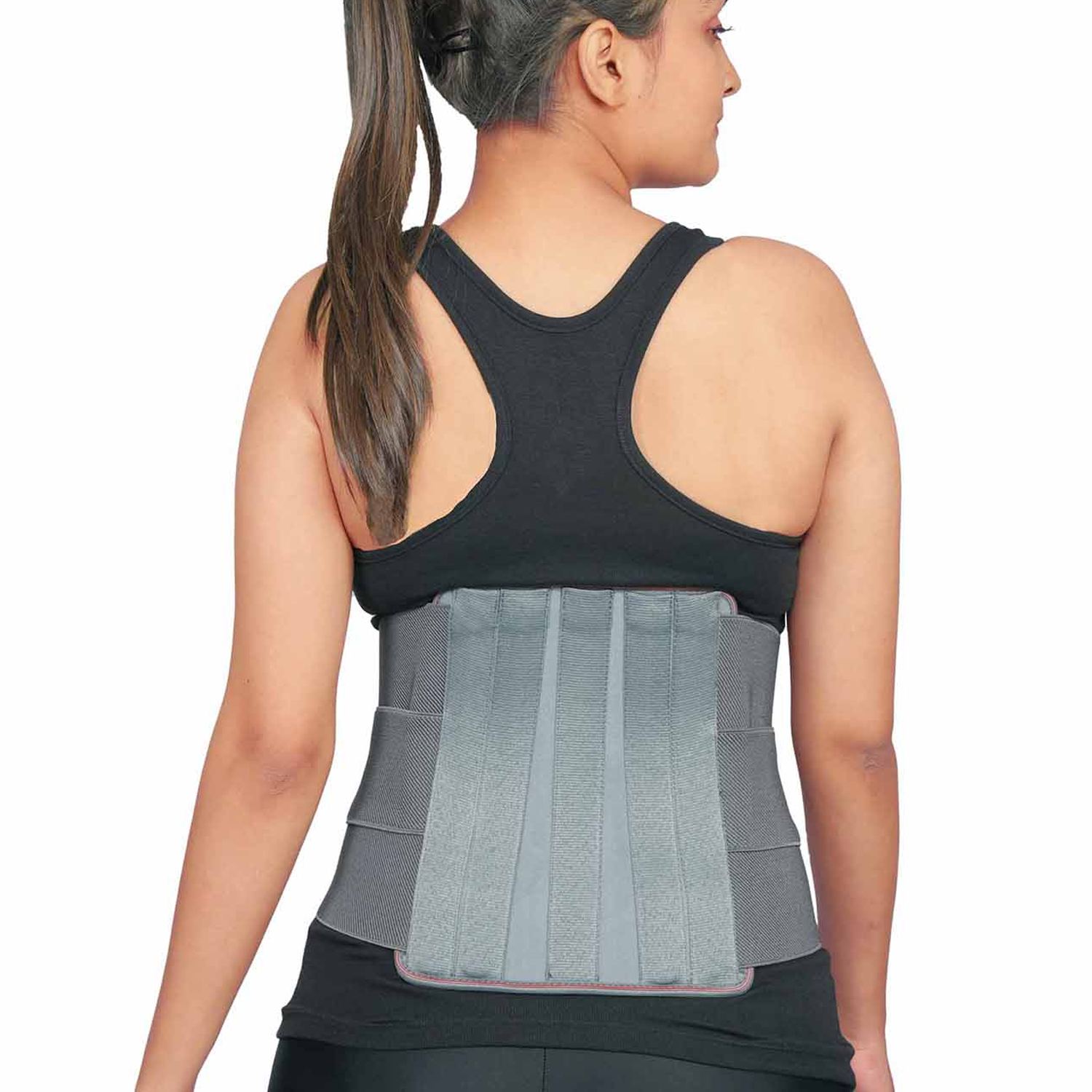
Taylore Brace { Long / Short Type }
Postural Support – Helps correct poor posture and provides spinal alignment.
Mild to Moderate Kyphosis – Supports the upper back to prevent excessive forward curvature.
Thoracic & Lumbar Spine Injuries – Supports healing after fractures or soft tissue injuries.
Post-Surgical Spinal Immobilization – Helps stabilize the spine after surgery.
Compression Fractures – Reduces pain and movement for better recovery.
Chronic Back Pain – Provides relief by reducing strain on muscles and ligaments.

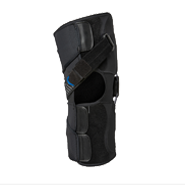
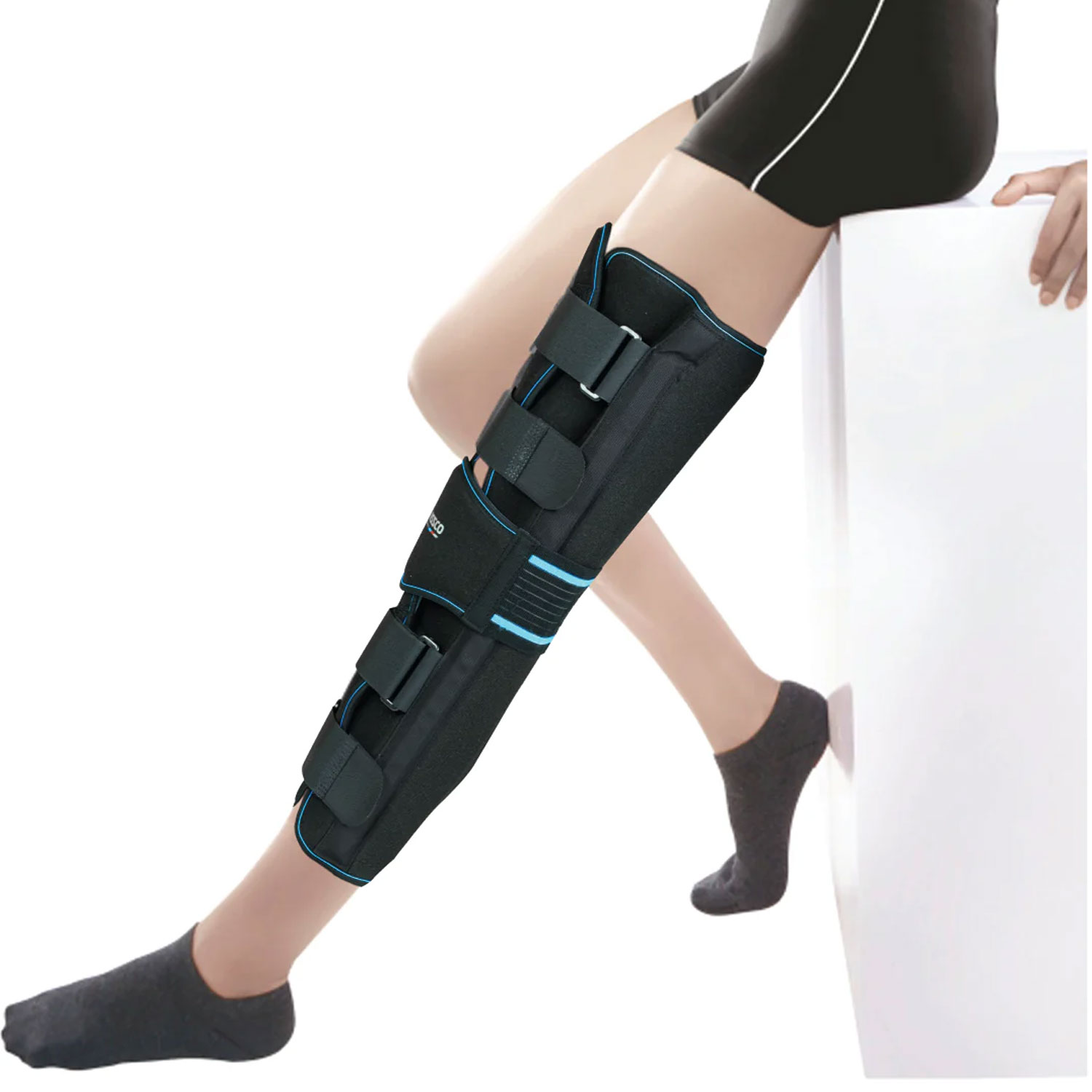
Knee Immbolizer 19″ { Long Type }
|
||||||||||
| Steps for Proper Application | ||||||||||
| 1. Preparation | ||||||||||
| Choose the correct size knee immobilizer based on the patient’s leg length and circumference. | ||||||||||
| Ensure the brace is clean and free from damage or wear. | ||||||||||
| 2. Position the Leg | ||||||||||
| Place the patient’s leg in a fully extended position on a flat surface. | ||||||||||
| Ensure the knee is straight and relaxed. | ||||||||||
| 3. Align the Immobilizer | ||||||||||
| Open the immobilizer and lay it flat beneath the leg. | ||||||||||
| Align the center of the brace with the knee joint (the patella or kneecap should align with the central opening, if present). | ||||||||||
| Ensure the brace covers from the upper thigh to just above the ankle for optimal support. | ||||||||||
| 4. Wrap and Secure the Straps | ||||||||||
| Start from the bottom (ankle area) and work upward toward the thigh. | ||||||||||
| Wrap each strap snugly around the leg, ensuring even pressure but avoiding excessive tightness that may restrict circulation. | ||||||||||
| Fasten Velcro straps or buckles securely to keep the brace in place. | ||||||||||
| 5. Check for Proper Fit | ||||||||||
| Ensure the brace is snug and does not slip during movement. | ||||||||||
| Verify that there is no excessive pressure on bony prominences (e.g., kneecap, shin, or thigh). | ||||||||||
| Ensure the patient can wiggle their toes to confirm proper blood flow. | ||||||||||
| 6. Reassess After Movement | ||||||||||
| Ask the patient to perform slight movements (e.g., sitting or adjusting posture) to ensure the immobilizer stays in position. | ||||||||||
| Adjust straps as needed for comfort and stability. | ||||||||||
| Tips for Use | ||||||||||
| Wearing Duration: Follow the healthcare provider’s instructions regarding how long to wear the immobilizer. | ||||||||||
| Skin Care: Check the skin under the brace regularly for signs of irritation, redness, or sores. | ||||||||||
| Hygiene: Keep the immobilizer clean by wiping it down or following the manufacturer’s cleaning instructions. | ||||||||||
| Avoid Moisture: Ensure the brace and the leg are dry before application to prevent skin irritation. | ||||||||||
| When to Remove | ||||||||||
| Remove the immobilizer only as directed by a healthcare professional, typically for hygiene, physical therapy, or as part of a treatment plan. | ||||||||||
| Avoid unnecessary removal, as it can delay recovery. | ||||||||||
| Common Uses | ||||||||||
| Post-surgical recovery (e.g., ligament repair, meniscus surgery). | ||||||||||
| Severe knee sprains or strains. | ||||||||||
| Patellar dislocations. | ||||||||||
| Fractures around the knee. | ||||||||||
| Knee instability due to ligament injuries. | ||||||||||
| Proper application and maintenance of a knee immobilizer can promote effective healing and prevent complications. Let me know if you need additional guidance! | ||||||||||






SPECIAL OFFER
Taylore Brace { Long / Short Type }
Postural Support – Helps correct poor posture and provides spinal alignment.
Mild to Moderate Kyphosis – Supports the upper back to prevent excessive forward curvature.
Thoracic & Lumbar Spine Injuries – Supports healing after fractures or soft tissue injuries.
Post-Surgical Spinal Immobilization – Helps stabilize the spine after surgery.
Compression Fractures – Reduces pain and movement for better recovery.
Chronic Back Pain – Provides relief by reducing strain on muscles and ligaments.

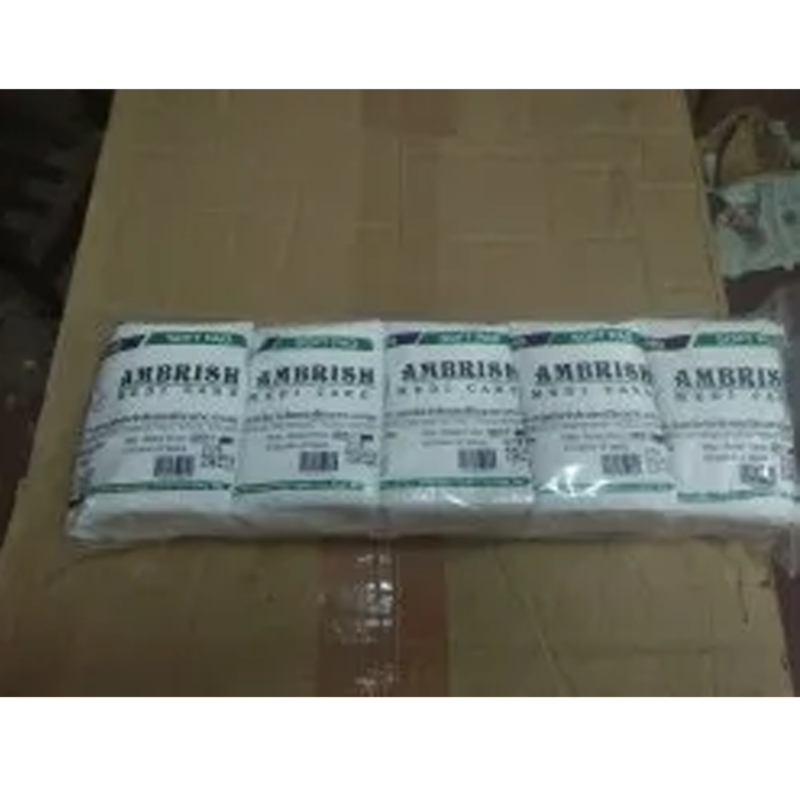
Ambrish Soft Pad
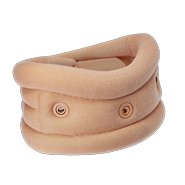
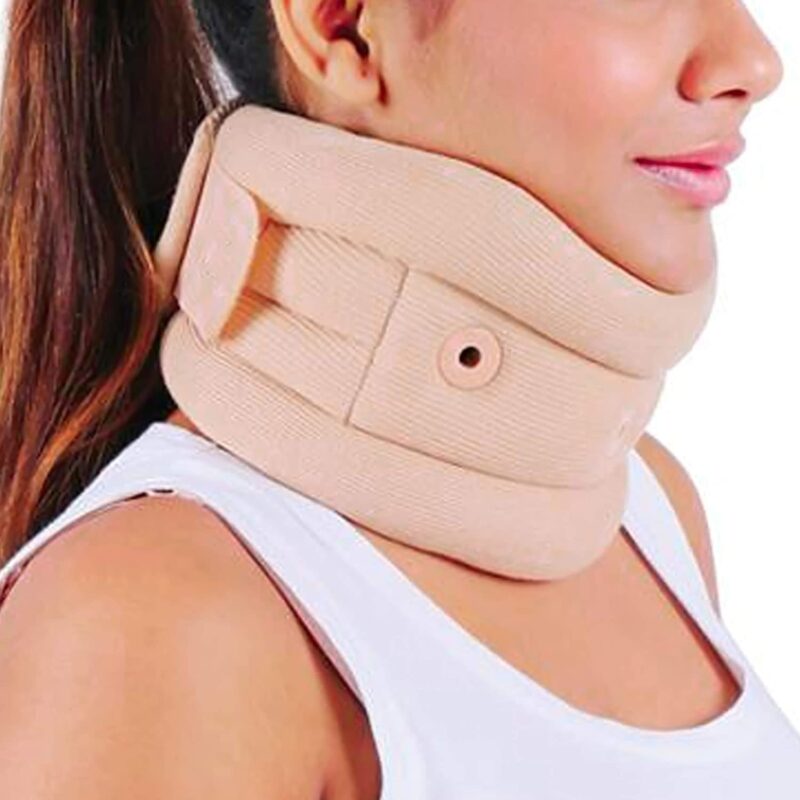
Measuring tape distance between edge of sternum and lower jaw with neck in the extension position
| Size | 10cm x 3m | 15cm x 3m |
|---|
Select options
This product has multiple variants. The options may be chosen on the product page


Crepe Bandage
MEASURING TAPE DISTANCE BETWEEN EDGE OF STERNUM AND LOWER JAW WITH NECK IN THE EXTENSION POSITION
| Size | 6cm x 4m | 8cm x 4m | 10cm x 4m | 15cm x 4m |
|---|
Select options
This product has multiple variants. The options may be chosen on the product page
Plaster Of Parries { POP }
APPLICATINDIATION FOR USE
Orthopedic Casts & Splints – Used to immobilize fractures, sprains, and post-surgical limbs for proper healing.
Orthotic & Prosthetic Molds – Helps create customized limb supports and prosthetic molds.
Corrective Splints – Used in clubfoot treatment (Ponseti method) and other deformity corrections.
Surgical Dressings & Supports – Provides rigid support for post-surgical protection of injured areas.
Select options
This product has multiple variants. The options may be chosen on the product page

test variable product updated
| Prepare the Patient | |||||
| Have the patient sit on a stable surface with their leg extended. | |||||
| Ensure the foot is clean and dry before application. | |||||
| A thin sock or stocking may be worn to prevent skin irritation. | |||||
| 2. Position the Splint Properly | |||||
| Slide the foot into the splint so that the heel is securely positioned at the back. | |||||
| Ensure the ankle is aligned correctly within the brace. | |||||
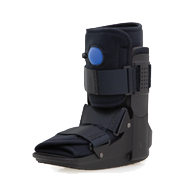
| The splint should hold the foot at a 90-degree angle to prevent plantar flexion (foot drop). | |||||
| 3. Secure the Straps | |||||
| Fasten the ankle strap first to stabilize the foot in place. | |||||
| Adjust the calf strap (if present) to provide additional support without restricting circulation. | |||||
| Make sure the straps are snug but not too tight—they should hold the foot securely without causing discomfort or numbness. | |||||
Select options
This product has multiple variants. The options may be chosen on the product page