





SPECIAL OFFER
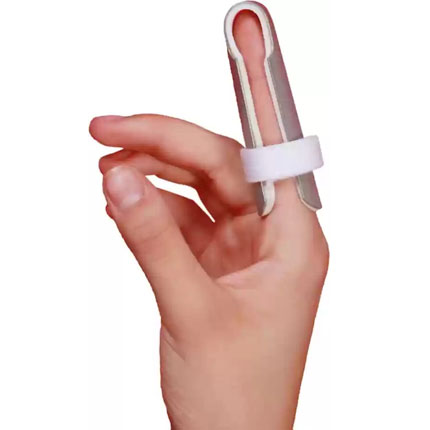
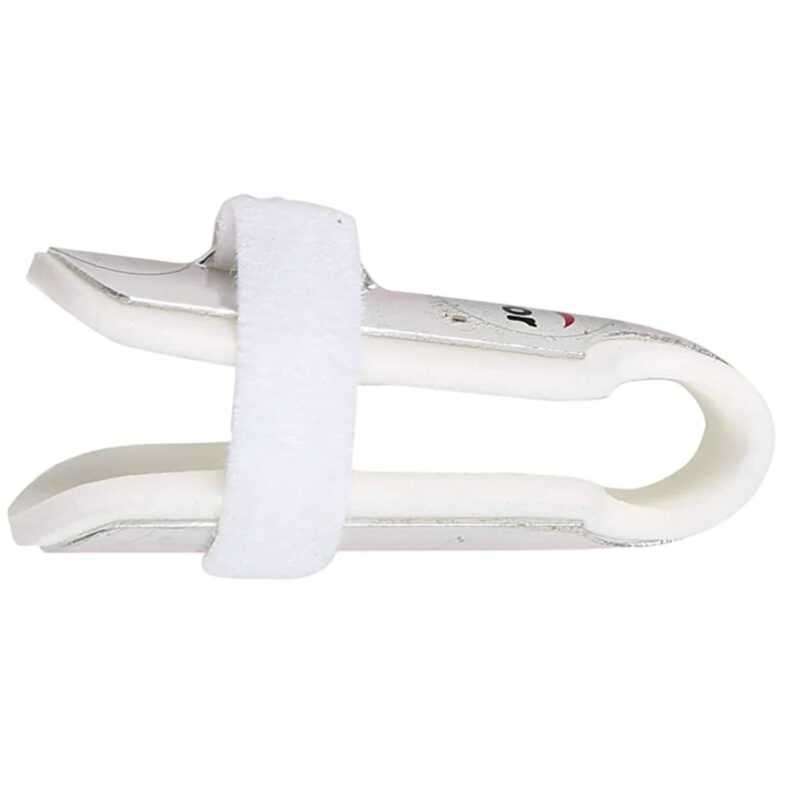
Mallet Finger Splint { MFS-04UN }

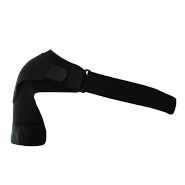
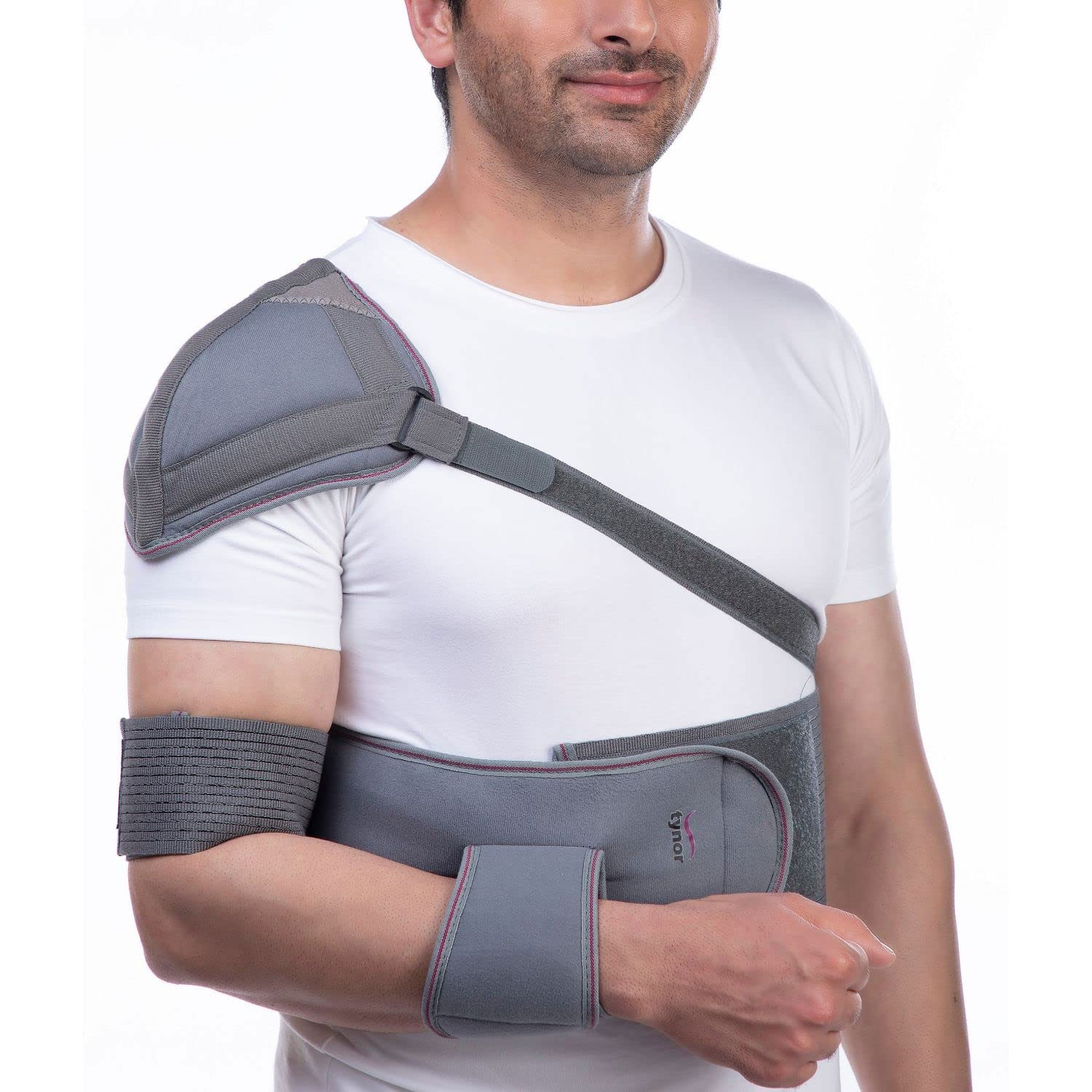
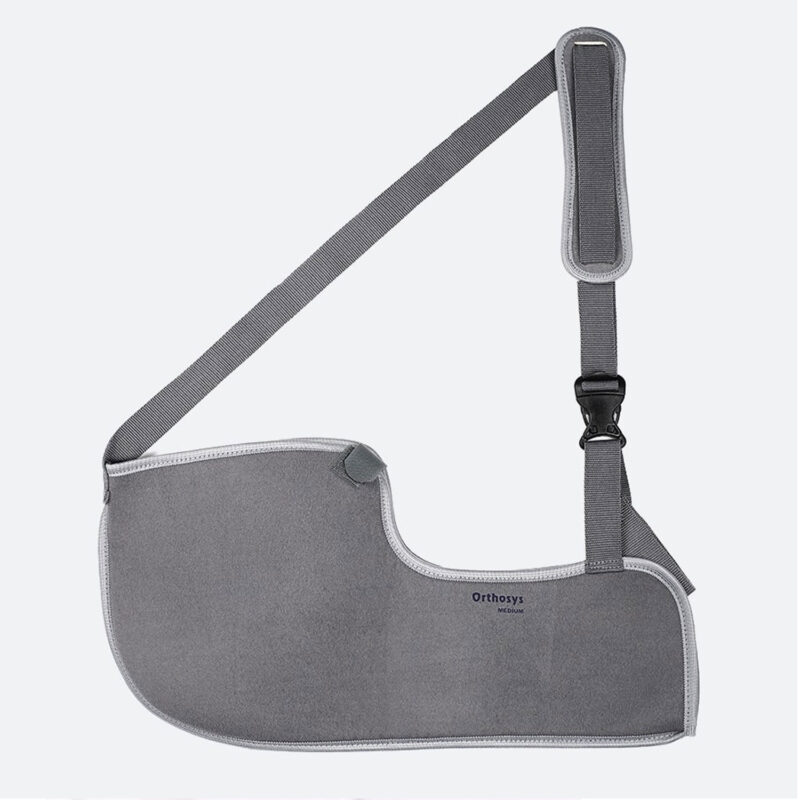
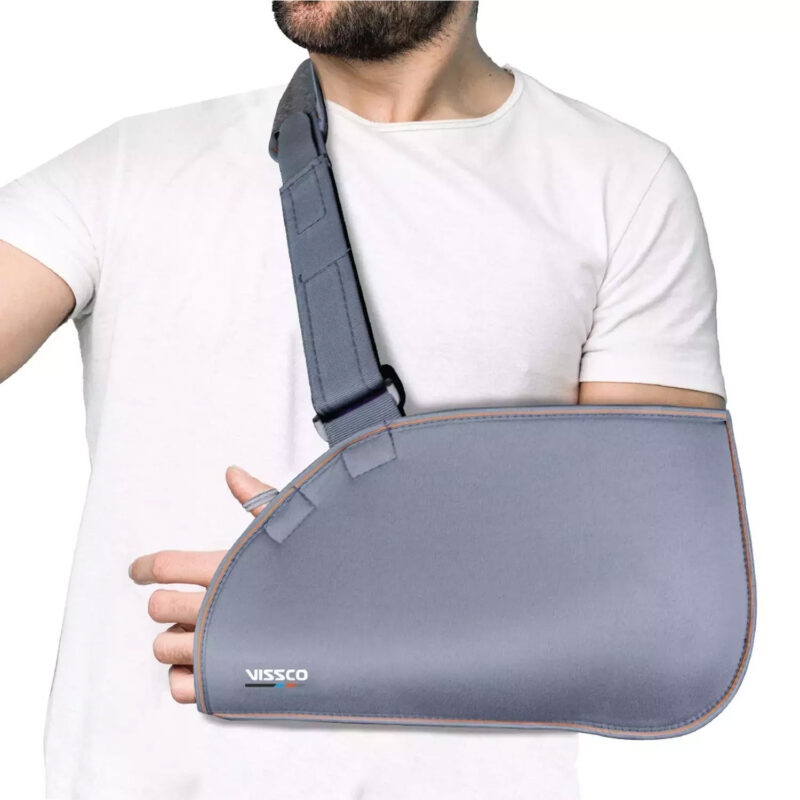
Elastic Shoulder Immobilizer Product Code -ESI-01AD
Shoulder Dislocations or Subluxations
Post-Surgical Immobilization
Clavicle (Collarbone) Fractures
Clavicle (Collarbone) Fractures – Provides support and reduces movement to aid healing.
Acromioclavicular (AC) Joint Injuries – Helps manage pain and healing in AC separations.
Rotator Cuff or Soft Tissue Injuries – Supports the shoulder to reduce strain on injured tendons or muscles.
Brachial Plexus Injuries – Reduces arm movement to protect nerve recovery.
Fractures of the Humerus (Upper Arm Bone) – Keeps the arm in a stable position for healing.
An elastic shoulder immobilizer limits shoulder motion, reduces pain, and prevents further injury while allowing some flexibility compared to a rigid brace.

Plaster Of Parries { POP }
APPLICATINDIATION FOR USE
Orthopedic Casts & Splints – Used to immobilize fractures, sprains, and post-surgical limbs for proper healing.
Orthotic & Prosthetic Molds – Helps create customized limb supports and prosthetic molds.
Corrective Splints – Used in clubfoot treatment (Ponseti method) and other deformity corrections.
Surgical Dressings & Supports – Provides rigid support for post-surgical protection of injured areas.
Select options
This product has multiple variants. The options may be chosen on the product page
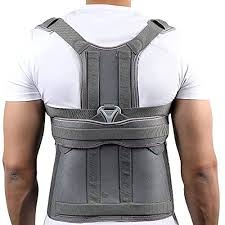
Taylore Brace { Long / Short Type }
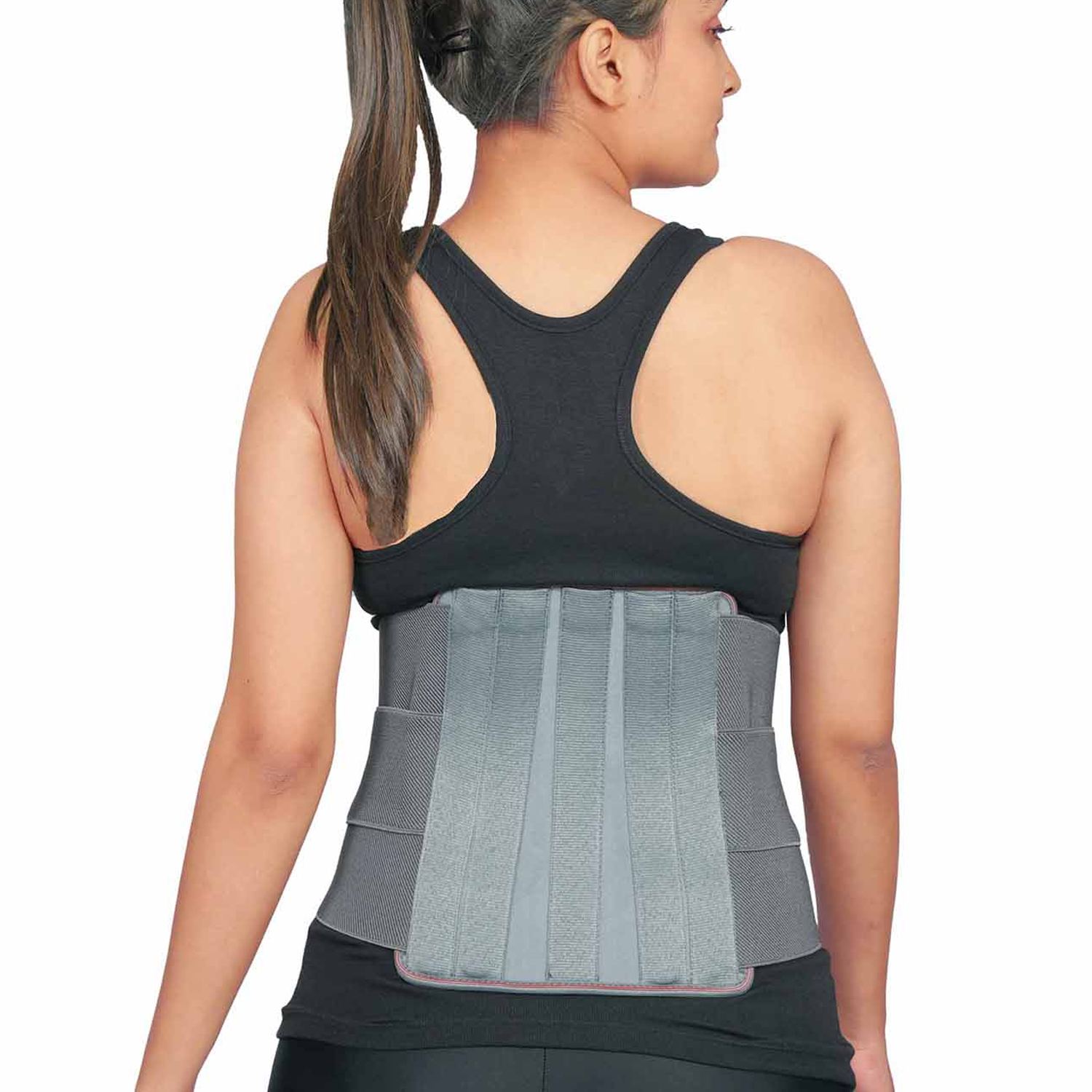
Postural Support – Helps correct poor posture and provides spinal alignment.
Mild to Moderate Kyphosis – Supports the upper back to prevent excessive forward curvature.
Thoracic & Lumbar Spine Injuries – Supports healing after fractures or soft tissue injuries.
Post-Surgical Spinal Immobilization – Helps stabilize the spine after surgery.
Compression Fractures – Reduces pain and movement for better recovery.
Chronic Back Pain – Provides relief by reducing strain on muscles and ligaments.

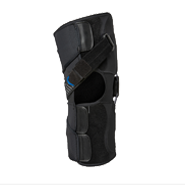
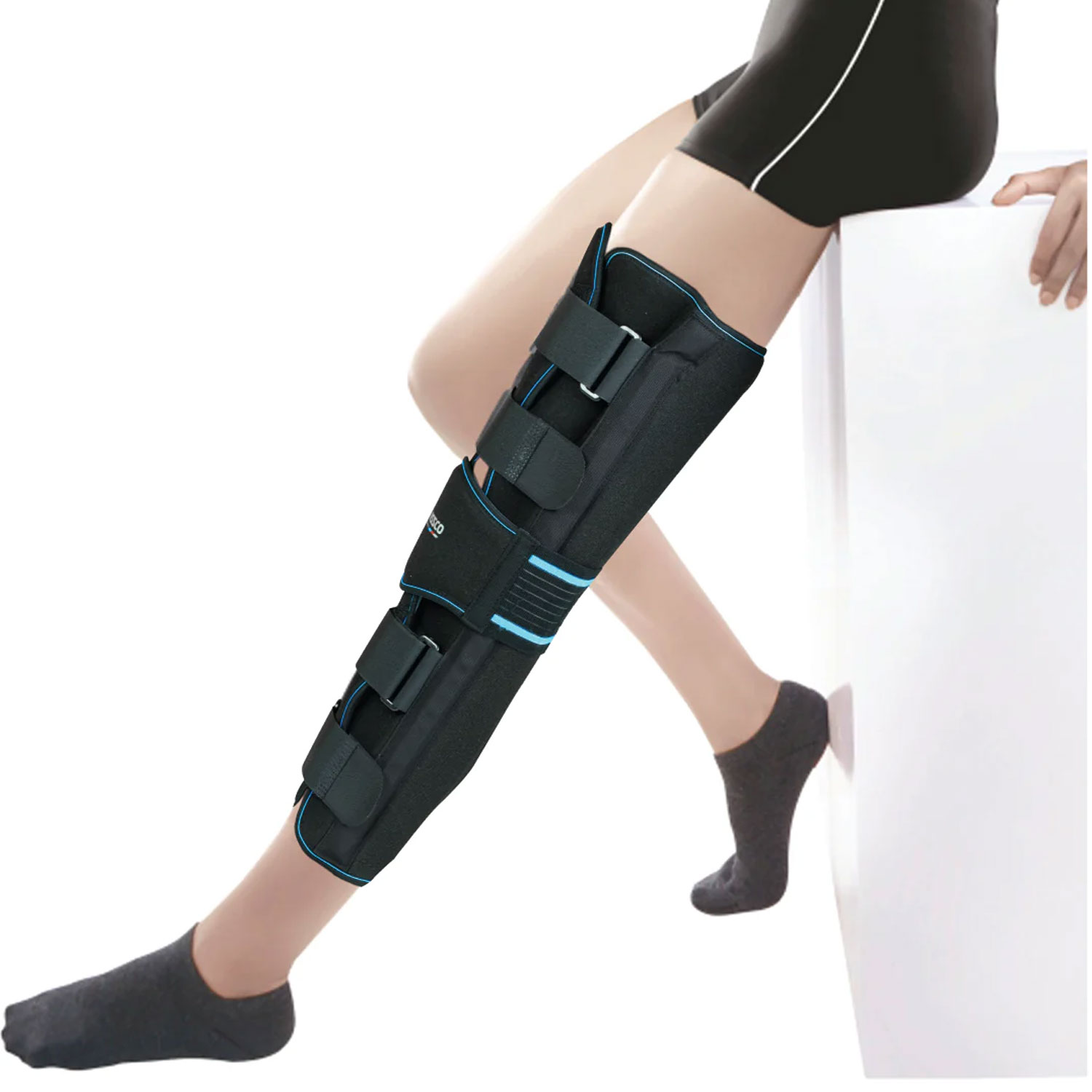
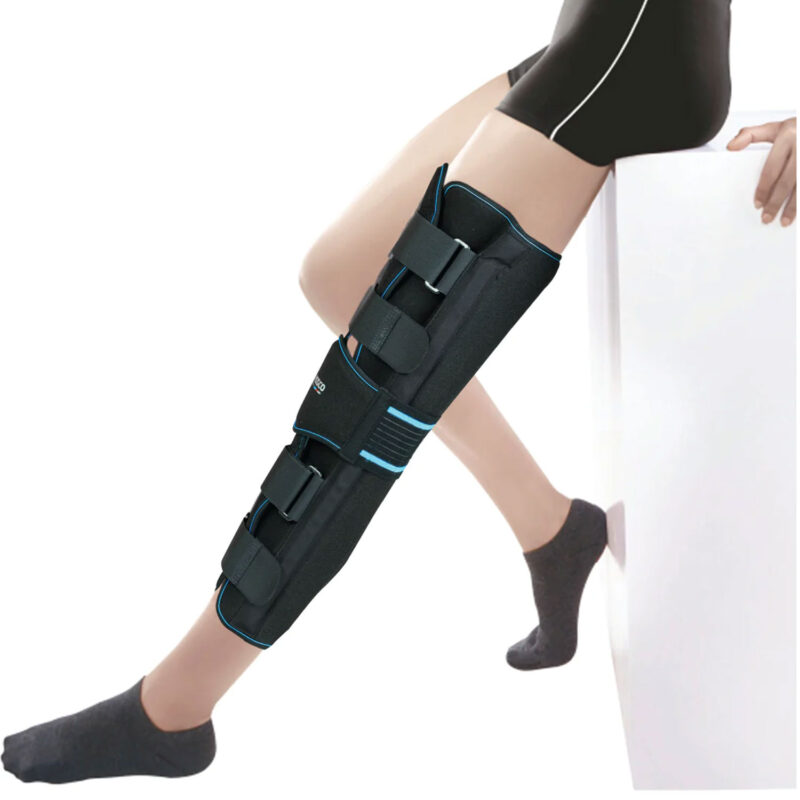
Knee Immbolizer 19″ { Long Type }
|
||||||||||
| Steps for Proper Application | ||||||||||
| 1. Preparation | ||||||||||
| Choose the correct size knee immobilizer based on the patient’s leg length and circumference. | ||||||||||
| Ensure the brace is clean and free from damage or wear. | ||||||||||
| 2. Position the Leg | ||||||||||
| Place the patient’s leg in a fully extended position on a flat surface. | ||||||||||
| Ensure the knee is straight and relaxed. | ||||||||||
| 3. Align the Immobilizer | ||||||||||
| Open the immobilizer and lay it flat beneath the leg. | ||||||||||
| Align the center of the brace with the knee joint (the patella or kneecap should align with the central opening, if present). | ||||||||||
| Ensure the brace covers from the upper thigh to just above the ankle for optimal support. | ||||||||||
| 4. Wrap and Secure the Straps | ||||||||||
| Start from the bottom (ankle area) and work upward toward the thigh. | ||||||||||
| Wrap each strap snugly around the leg, ensuring even pressure but avoiding excessive tightness that may restrict circulation. | ||||||||||
| Fasten Velcro straps or buckles securely to keep the brace in place. | ||||||||||
| 5. Check for Proper Fit | ||||||||||
| Ensure the brace is snug and does not slip during movement. | ||||||||||
| Verify that there is no excessive pressure on bony prominences (e.g., kneecap, shin, or thigh). | ||||||||||
| Ensure the patient can wiggle their toes to confirm proper blood flow. | ||||||||||
| 6. Reassess After Movement | ||||||||||
| Ask the patient to perform slight movements (e.g., sitting or adjusting posture) to ensure the immobilizer stays in position. | ||||||||||
| Adjust straps as needed for comfort and stability. | ||||||||||
| Tips for Use | ||||||||||
| Wearing Duration: Follow the healthcare provider’s instructions regarding how long to wear the immobilizer. | ||||||||||
| Skin Care: Check the skin under the brace regularly for signs of irritation, redness, or sores. | ||||||||||
| Hygiene: Keep the immobilizer clean by wiping it down or following the manufacturer’s cleaning instructions. | ||||||||||
| Avoid Moisture: Ensure the brace and the leg are dry before application to prevent skin irritation. | ||||||||||
| When to Remove | ||||||||||
| Remove the immobilizer only as directed by a healthcare professional, typically for hygiene, physical therapy, or as part of a treatment plan. | ||||||||||
| Avoid unnecessary removal, as it can delay recovery. | ||||||||||
| Common Uses | ||||||||||
| Post-surgical recovery (e.g., ligament repair, meniscus surgery). | ||||||||||
| Severe knee sprains or strains. | ||||||||||
| Patellar dislocations. | ||||||||||
| Fractures around the knee. | ||||||||||
| Knee instability due to ligament injuries. | ||||||||||
| Proper application and maintenance of a knee immobilizer can promote effective healing and prevent complications. Let me know if you need additional guidance! | ||||||||||


ALL FOR ASHMI


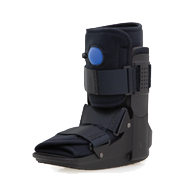
test variable product updated
| Prepare the Patient | |||||
| Have the patient sit on a stable surface with their leg extended. | |||||
| Ensure the foot is clean and dry before application. | |||||
| A thin sock or stocking may be worn to prevent skin irritation. | |||||
| 2. Position the Splint Properly | |||||
| Slide the foot into the splint so that the heel is securely positioned at the back. | |||||
| Ensure the ankle is aligned correctly within the brace. | |||||
| The splint should hold the foot at a 90-degree angle to prevent plantar flexion (foot drop). | |||||
| 3. Secure the Straps | |||||
| Fasten the ankle strap first to stabilize the foot in place. | |||||
| Adjust the calf strap (if present) to provide additional support without restricting circulation. | |||||
| Make sure the straps are snug but not too tight—they should hold the foot securely without causing discomfort or numbness. | |||||



SPECIAL OFFER


Cervical Pillow Memory Foam (CPM-04UN)

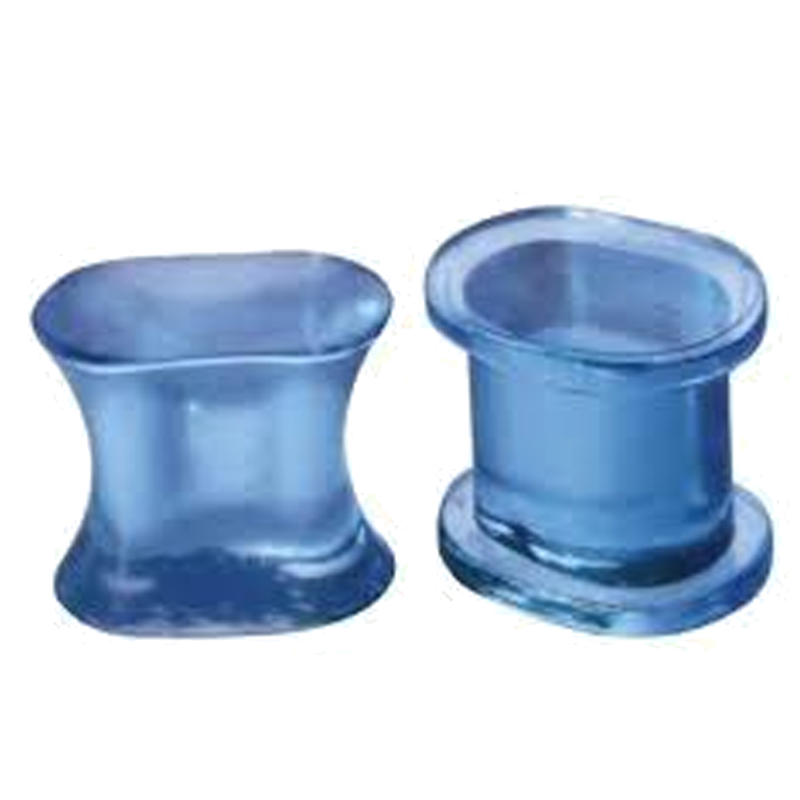
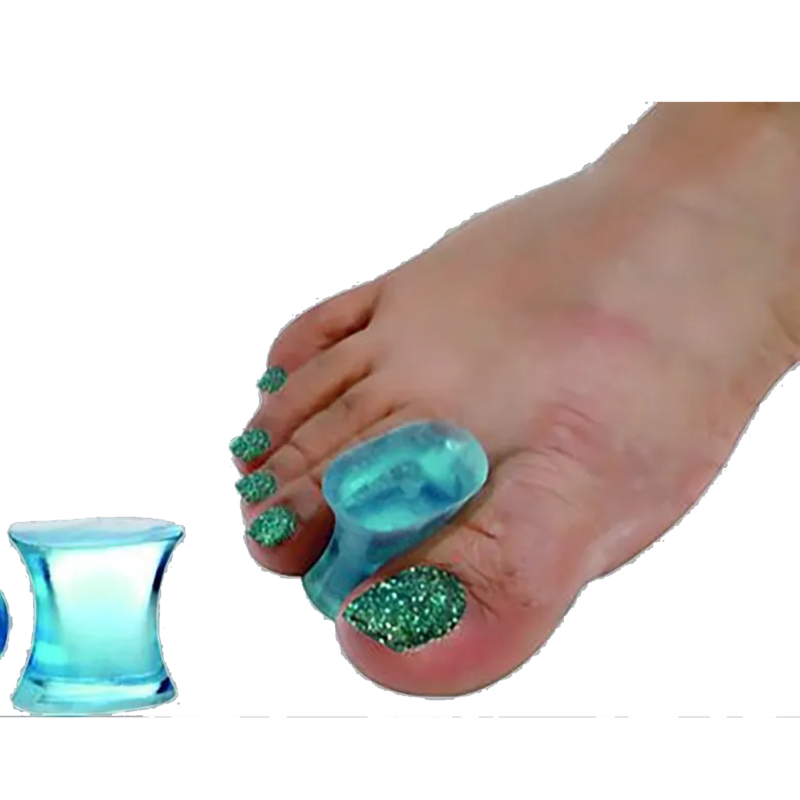
Toe Separator (TS-03UN)
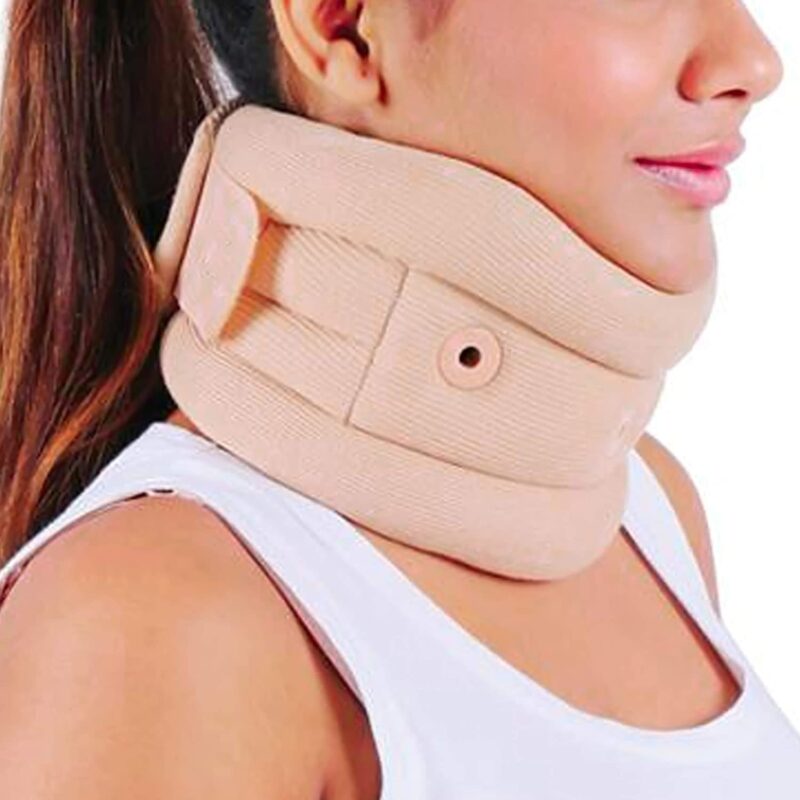

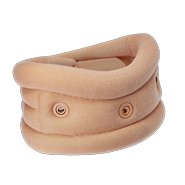
Cervical Collar Soft (CC-01AD)
Measuring the tape distance between the edge of the sternum and the lower jaw with the neck in the extension position.
| Size | Small | Medium | Large | X-Large |
|---|---|---|---|---|
| Inches | 3-3.5 | 3.5-4 | 4-4.5 | 4.5-5 |
| CM | 7.6-8.9 | 8.9-10 | 10-11.4 | 11.4-13 |
Select options
This product has multiple variants. The options may be chosen on the product page


Elastic Shoulder Immobilizer (ESI-01AD)
Select options
This product has multiple variants. The options may be chosen on the product page
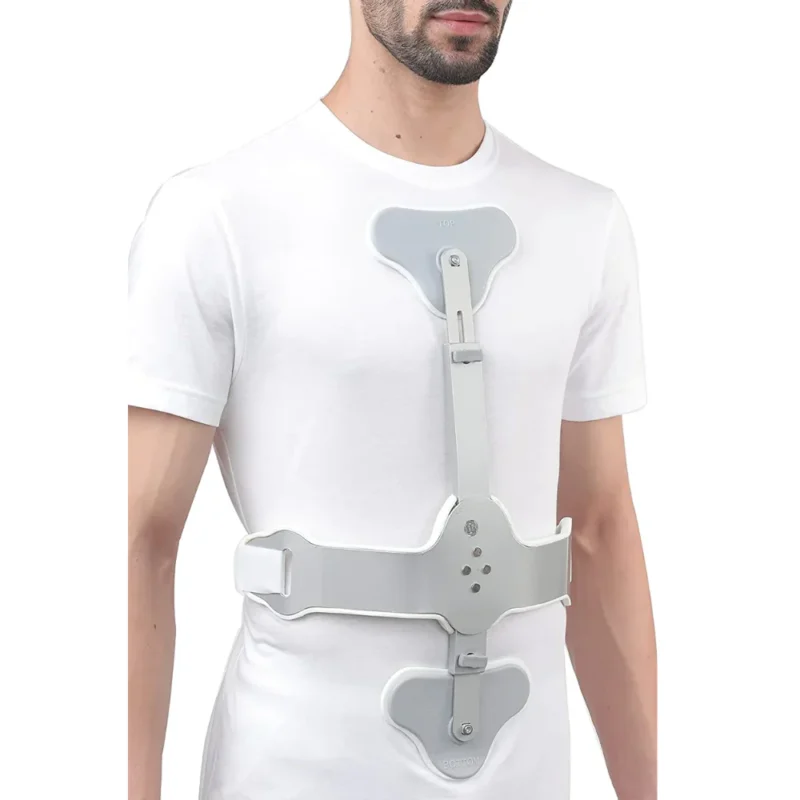
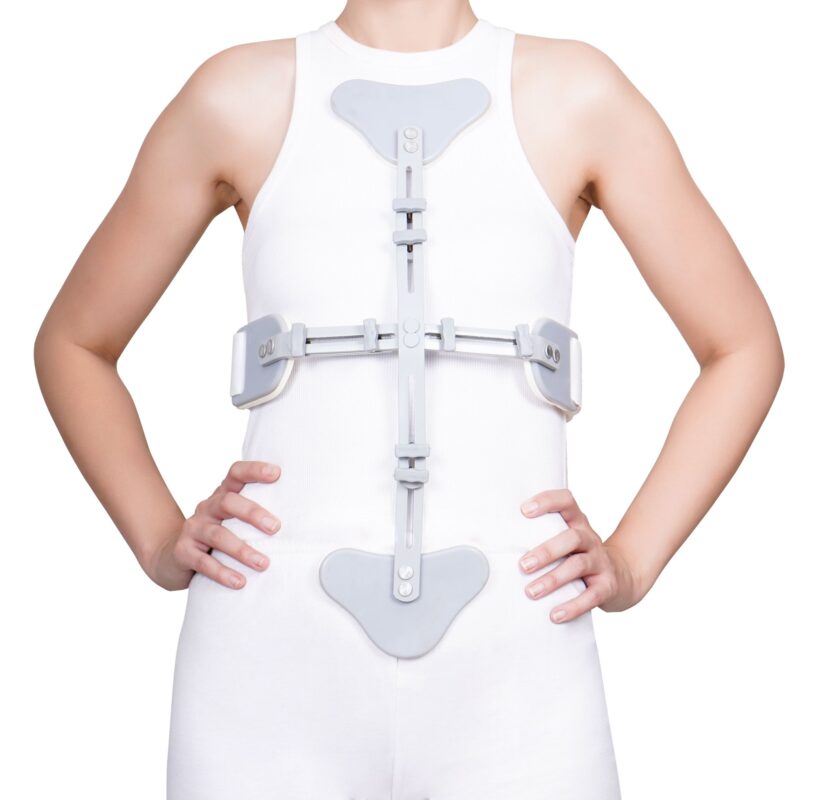
ASH Brace (AB-06UN)
test variable product updated
| Prepare the Patient | |||||
| Have the patient sit on a stable surface with their leg extended. | |||||
| Ensure the foot is clean and dry before application. | |||||
| A thin sock or stocking may be worn to prevent skin irritation. | |||||
| 2. Position the Splint Properly | |||||
| Slide the foot into the splint so that the heel is securely positioned at the back. | |||||
| Ensure the ankle is aligned correctly within the brace. | |||||
| The splint should hold the foot at a 90-degree angle to prevent plantar flexion (foot drop). | |||||
| 3. Secure the Straps | |||||
| Fasten the ankle strap first to stabilize the foot in place. | |||||
| Adjust the calf strap (if present) to provide additional support without restricting circulation. | |||||
| Make sure the straps are snug but not too tight—they should hold the foot securely without causing discomfort or numbness. | |||||
Select options
This product has multiple variants. The options may be chosen on the product page