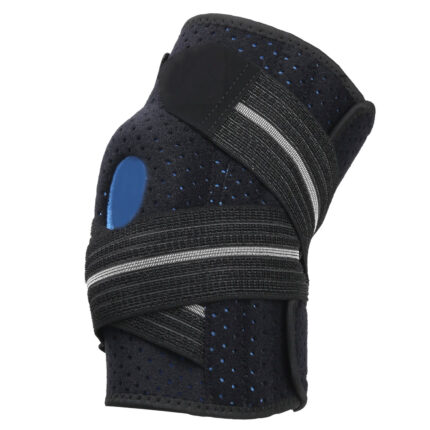
“Knee Wrap 8″ Neoprene” has been added to your cart. View cart
Knee Immbolizer19 (KIL-05AE)
₹1,300.00
Foot Drop Splint With Pad (FDS-01AC)
₹1,300.00
ROM Knee Brace (RKB-06UN)
₹2,700.00
Measuring circumference around mid high-approx 6 inches above the knee
| Size | Inches | CM |
|---|---|---|
| Universal | 8-10 | 20-25 |
| Size |
UNIVERSAL |
|---|
Category: Knee Supports & Braces
Description
Description
Indications for Using a Range of Motion (ROM) Knee Brace
1. Post-Surgical Recovery
- ACL, PCL, MCL, or LCL Reconstruction: Provides controlled motion to protect ligament repairs.
- Meniscus Surgery: Ensures gradual bending and straightening after meniscus repair or transplantation.
- Cartilage Restoration Procedures: Protects grafts or repairs in procedures like microfracture or autologous chondrocyte implantation.
- Knee Replacement (Arthroplasty): Supports the joint after total or partial knee replacement surgery.
- Patellar Realignment Surgery: Maintains proper alignment while controlling motion.
2. Traumatic Injuries
- Ligament Injuries: Grade II or III ligament sprains/tears requiring limited knee motion for healing.
- Knee Fractures: Distal femur, patella, or tibial plateau fractures requiring controlled movement during recovery.
- Patellar Dislocations or Subluxations: Stabilizes the patella and restricts excessive motion during healing.
3. Chronic Conditions
- Severe Osteoarthritis: Manages pain and prevents excessive joint movement in advanced cases.
- Post-Traumatic Arthritis: Protects the joint while limiting painful motion.
- Rheumatoid Arthritis: Provides support and controlled movement in unstable joints.
4. Rehabilitation and Functional Recovery
- After Immobilization: Gradual reintroduction of motion after the use of a knee immobilizer.
- Muscle Weakness or Atrophy: Assists with controlled movement while rebuilding muscle strength.
- Stiffness or Limited Range of Motion: Following prolonged joint immobilization.
5. Preventive or Temporary Use
- Sports-Related Injuries: Protects athletes returning to activity after a knee injury.
- Joint Instability: For individuals prone to recurrent knee instability or hyperextension.
Advantages of Using an ROM Knee Brace
- Provides controlled motion to minimize stress on healing tissues.
- Reduces the risk of reinjury or overextension.
- Stabilizes the knee joint, especially during weight-bearing activities.
- Improves patient confidence during recovery.
Always ensure that the brace is fitted and used under medical supervision for optimal recovery and outcomes. Let me know if you'd like additional details!
Application
A ROM knee brace is designed to provide support and controlled movement for the knee joint during recovery from injuries or surgery. Proper application ensures stability, comfort, and effective healing. Here's a step-by-step guide to apply the brace correctly:
Steps for Applying a ROM Knee Brace
1. Preparation
Ensure you have the correct size ROM knee brace, measured to fit the patient’s thigh and calf circumference.
Familiarize yourself with the adjustable components of the brace, including the hinges, straps, and locking mechanisms.
2. Position the Leg
The patient should sit or lie down with the leg fully extended and relaxed.
Make sure the knee is in a neutral position (slightly bent or straight as instructed by the healthcare provider).
3. Align the Brace
Place the brace so the hinge aligns with the center of the knee joint (over the lateral and medial sides of the knee).
Ensure the thigh and calf portions of the brace are positioned snugly on the leg without covering the kneecap unless specified.
4. Secure the Straps
Begin with the top strap (on the thigh) and wrap it firmly but comfortably around the leg. Ensure it is tight enough to stay in place but not so tight that it restricts circulation.
Move to the lower strap (on the calf) and secure it similarly.
Fasten any additional straps, ensuring even pressure across the leg for stability.
5. Adjust the Range of Motion (ROM) Settings
Locate the hinge adjustment dial or locking mechanism on both sides of the brace.
Set the allowed range of motion (e.g., flexion and extension limits) as prescribed by the healthcare provider.
Ensure both sides are set symmetrically for balanced movement control.
6. Check for Proper Fit
Verify that the brace is snug and does not shift during movement.
Ensure the hinges are properly aligned with the knee joint for optimal function.
Confirm there is no excessive pressure on the skin or bony areas.
7. Test and Reassess
Ask the patient to bend and straighten the knee within the prescribed range of motion to ensure the brace moves properly and provides support.
Make any necessary adjustments to the straps or hinge settings.
Care and Maintenance
1. Skin Care:
Check for signs of irritation or pressure sores under the brace.
Use a thin, moisture-wicking sleeve or wrap under the brace for added comfort.
2. Cleaning:
Clean the brace as per the manufacturer’s instructions, typically with a damp cloth and mild soap.
3. Regular Inspection:
Inspect the straps, hinges, and locking mechanisms for wear or damage and replace them if necessary.
When to Remove
Remove the brace only as instructed by the healthcare provider, typically for hygiene, therapy, or adjustments.
Avoid removing the brace during activities where the knee requires protection.
Common Uses
- Post-surgical recovery (e.g., ACL, PCL, or meniscus surgery).
- Controlled rehabilitation after ligament injuries.
- Support for unstable knee joints due to ligament tears or weakness.
- Protection during weight-bearing or walking exercises.
By following these steps, a ROM knee brace can provide effective support, control knee motion, and aid in a safe recovery. Let me know if you need more details!
Reviews (0)
Be the first to review “ROM Knee Brace (RKB-06UN)” Cancel reply
Related products
Knee Cap Comfeel Pair (KCC-02AF)
₹550.00
To measure the circumference around mid-thigh, approx 6 inches above the knee
| Size | S | M | L | XL | XXL | XXXL |
|---|---|---|---|---|---|---|
| Inch |
Select options
This product has multiple variants. The options may be chosen on the product page
Knee Immbolizer 19″ { Long Type }
|
||||||||||
| Steps for Proper Application | ||||||||||
| 1. Preparation | ||||||||||
| Choose the correct size knee immobilizer based on the patient’s leg length and circumference. | ||||||||||
| Ensure the brace is clean and free from damage or wear. | ||||||||||
| 2. Position the Leg | ||||||||||
| Place the patient’s leg in a fully extended position on a flat surface. | ||||||||||
| Ensure the knee is straight and relaxed. | ||||||||||
| 3. Align the Immobilizer | ||||||||||
| Open the immobilizer and lay it flat beneath the leg. | ||||||||||
| Align the center of the brace with the knee joint (the patella or kneecap should align with the central opening, if present). | ||||||||||
| Ensure the brace covers from the upper thigh to just above the ankle for optimal support. | ||||||||||
| 4. Wrap and Secure the Straps | ||||||||||
| Start from the bottom (ankle area) and work upward toward the thigh. | ||||||||||
| Wrap each strap snugly around the leg, ensuring even pressure but avoiding excessive tightness that may restrict circulation. | ||||||||||
| Fasten Velcro straps or buckles securely to keep the brace in place. | ||||||||||
| 5. Check for Proper Fit | ||||||||||
| Ensure the brace is snug and does not slip during movement. | ||||||||||
| Verify that there is no excessive pressure on bony prominences (e.g., kneecap, shin, or thigh). | ||||||||||
| Ensure the patient can wiggle their toes to confirm proper blood flow. | ||||||||||
| 6. Reassess After Movement | ||||||||||
| Ask the patient to perform slight movements (e.g., sitting or adjusting posture) to ensure the immobilizer stays in position. | ||||||||||
| Adjust straps as needed for comfort and stability. | ||||||||||
| Tips for Use | ||||||||||
| Wearing Duration: Follow the healthcare provider’s instructions regarding how long to wear the immobilizer. | ||||||||||
| Skin Care: Check the skin under the brace regularly for signs of irritation, redness, or sores. | ||||||||||
| Hygiene: Keep the immobilizer clean by wiping it down or following the manufacturer’s cleaning instructions. | ||||||||||
| Avoid Moisture: Ensure the brace and the leg are dry before application to prevent skin irritation. | ||||||||||
| When to Remove | ||||||||||
| Remove the immobilizer only as directed by a healthcare professional, typically for hygiene, physical therapy, or as part of a treatment plan. | ||||||||||
| Avoid unnecessary removal, as it can delay recovery. | ||||||||||
| Common Uses | ||||||||||
| Post-surgical recovery (e.g., ligament repair, meniscus surgery). | ||||||||||
| Severe knee sprains or strains. | ||||||||||
| Patellar dislocations. | ||||||||||
| Fractures around the knee. | ||||||||||
| Knee instability due to ligament injuries. | ||||||||||
| Proper application and maintenance of a knee immobilizer can promote effective healing and prevent complications. Let me know if you need additional guidance! | ||||||||||
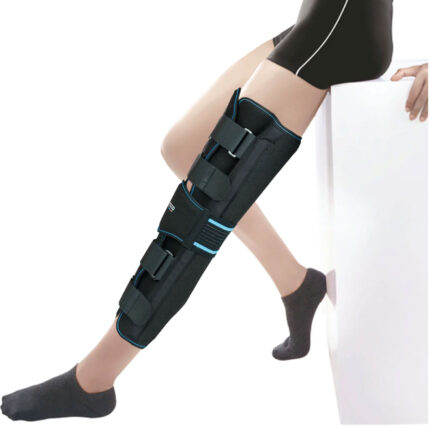
Knee Immbolizer19 (KIL-05AE)
₹1,300.00
Measuring circumference around mid-thigh-approx 6 inches above the knee.
| Size | Small | Medium | Large | X-Large | 2X-Large |
|---|---|---|---|---|---|
| Inches | 14.8-17.2 | 17.2-19.6 | 19.6-22 | 22-24.4 | 24.4-26.8 |
| CM | 37-43 | 43-49 | 49-55 | 55-61 | 61-67 |
Select options
This product has multiple variants. The options may be chosen on the product page


Reviews
There are no reviews yet.