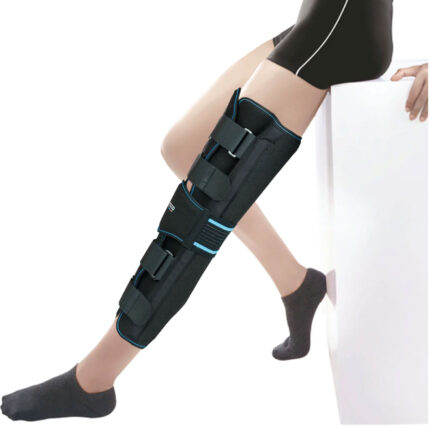
“Knee Immbolizer 19″ { Long Type }” has been added to your cart. View cart
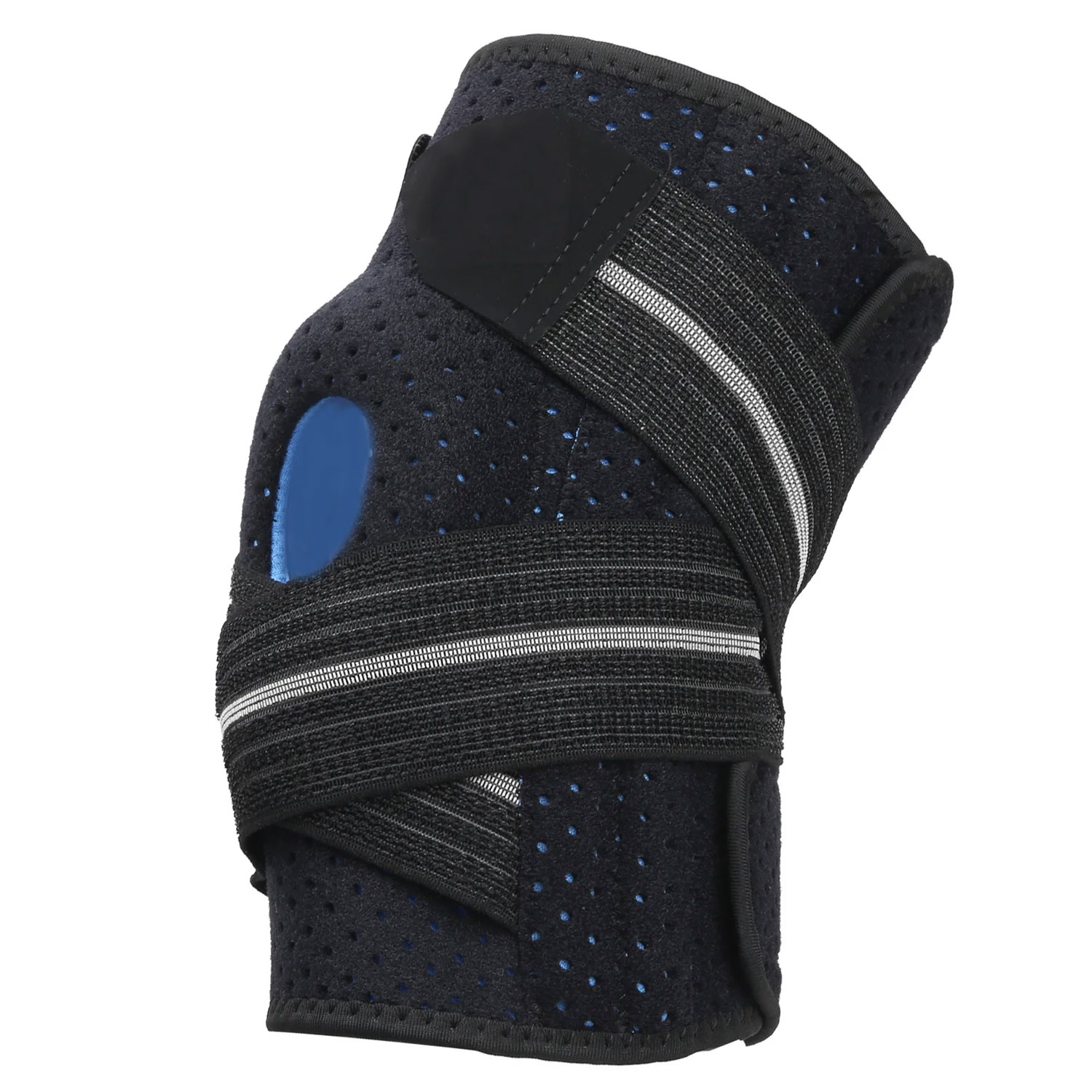
Knee Cap Comfeel Pair (KCC-02AF)
₹550.00
To measure the circumference around mid-thigh, approx 6 inches above the knee
| Size | S | M | L | XL | XXL | XXXL |
|---|---|---|---|---|---|---|
| Inch |
SKU:
N/A
Category: Knee Supports & Braces
Description
Description
Indication for Use
The term "knee cap" refers to the patella, a small, flat, triangular bone located at the front of the knee joint. Indications involving the knee cap (patella) can arise in various clinical contexts, including injuries, conditions, or surgeries. Here are some key indications:
1. Injuries
- Patellar Fractures: Caused by direct trauma (e.g., falling onto the knee or a blow to the knee).
- Dislocation or Subluxation: The patella moves out of its normal alignment, often due to trauma or structural abnormalities.
- Tendon Injuries: Rupture of the quadriceps or patellar tendon can cause functional issues involving the patella.
2. Degenerative or Chronic Conditions
- Chondromalacia Patellae: Softening and damage of the cartilage under the patella, often causing pain during movement.
- Patellofemoral Pain Syndrome (Runner's Knee): Pain around or behind the patella, often due to overuse, misalignment, or muscle imbalance.
- Arthritis: Osteoarthritis or rheumatoid arthritis affecting the patellofemoral joint.
3. Structural Abnormalities
- Patellar Maltracking: Improper movement of the patella during knee flexion and extension.
- High-riding Patella (Patella Alta): Abnormal positioning of the patella, which may affect knee function.
4. Post-Surgical Indications
- Knee Replacement (Arthroplasty): May involve resurfacing or replacing the patella in cases of severe arthritis or joint damage.
- Patellar Realignment Surgery: Performed to correct recurrent dislocations or maltracking.
5. Diagnostic and Imaging Indications
- Swelling, Pain, or Instability: Indications for imaging (X-rays, MRI, or CT) to assess fractures, cartilage damage, or ligament issues.
- Joint Effusion or Hemarthrosis: Fluid accumulation in the knee joint often involves the patella as a visible sign of injury or inflammation.
If you’re looking for information specific to a procedure, condition, or treatment involving the knee cap, feel free to ask!
Application
The term "knee cap application" can refer to several contexts, including the use of orthopedic devices, treatments, or exercises related to the patella (knee cap). Here are the primary applications:
1. Knee Cap Supports and Braces
Orthopedic knee caps, also called knee braces or supports, are widely used to provide stability, compression, or protection for the knee joint and the patella. Common applications include:
- Post-Injury Support: After patellar dislocation, ligament sprains, or minor fractures, knee caps help stabilize the patella.
- Pain Relief: Compression knee caps reduce swelling and provide comfort for conditions like patellofemoral pain syndrome or chondromalacia patellae.
- Rehabilitation: Helps maintain alignment during recovery from surgery or injuries.
- Sports and Physical Activity: Prevents overuse injuries or supports the knee during high-impact activities.
2. Surgical Applications
- Patellar Resurfacing: In knee replacement surgeries, the patellar surface may be replaced or adjusted.
- Realignment Procedures: For chronic maltracking or recurrent patellar dislocations, surgeries realign the patella or surrounding structures.
3. Physiotherapy and Rehabilitation
- Exercises: Strengthening and stretching exercises target the quadriceps, hamstrings, and hip muscles to support the patella’s alignment and function.
- Taping Techniques: Patellar taping (e.g., McConnell taping) can help improve patellar tracking and reduce pain during activities.
4. Diagnostic and Imaging Applications
- Functional Tests: Applications in clinical examinations (e.g., Clarke's test or patellar apprehension test) to diagnose patellar issues.
- Imaging: X-rays, MRI, or CT scans help visualize the patella for fractures, cartilage damage, or malalignment.
5. Medical and Protective Uses
- Patella Pads: Protective knee pads are worn to shield the knee cap from trauma in sports, construction work, or other high-risk activities.
- Cold Therapy: Gel packs applied over the patella help reduce swelling and pain after injury or surgery.
If you’re referring to a specific type of knee cap application, let me know so I can provide tailored information!
Reviews (0)
Be the first to review “Knee Cap Comfeel Pair (KCC-02AF)” Cancel reply
Related products
Knee Immbolizer 19″ { Long Type }
|
||||||||||
| Steps for Proper Application | ||||||||||
| 1. Preparation | ||||||||||
| Choose the correct size knee immobilizer based on the patient’s leg length and circumference. | ||||||||||
| Ensure the brace is clean and free from damage or wear. | ||||||||||
| 2. Position the Leg | ||||||||||
| Place the patient’s leg in a fully extended position on a flat surface. | ||||||||||
| Ensure the knee is straight and relaxed. | ||||||||||
| 3. Align the Immobilizer | ||||||||||
| Open the immobilizer and lay it flat beneath the leg. | ||||||||||
| Align the center of the brace with the knee joint (the patella or kneecap should align with the central opening, if present). | ||||||||||
| Ensure the brace covers from the upper thigh to just above the ankle for optimal support. | ||||||||||
| 4. Wrap and Secure the Straps | ||||||||||
| Start from the bottom (ankle area) and work upward toward the thigh. | ||||||||||
| Wrap each strap snugly around the leg, ensuring even pressure but avoiding excessive tightness that may restrict circulation. | ||||||||||
| Fasten Velcro straps or buckles securely to keep the brace in place. | ||||||||||
| 5. Check for Proper Fit | ||||||||||
| Ensure the brace is snug and does not slip during movement. | ||||||||||
| Verify that there is no excessive pressure on bony prominences (e.g., kneecap, shin, or thigh). | ||||||||||
| Ensure the patient can wiggle their toes to confirm proper blood flow. | ||||||||||
| 6. Reassess After Movement | ||||||||||
| Ask the patient to perform slight movements (e.g., sitting or adjusting posture) to ensure the immobilizer stays in position. | ||||||||||
| Adjust straps as needed for comfort and stability. | ||||||||||
| Tips for Use | ||||||||||
| Wearing Duration: Follow the healthcare provider’s instructions regarding how long to wear the immobilizer. | ||||||||||
| Skin Care: Check the skin under the brace regularly for signs of irritation, redness, or sores. | ||||||||||
| Hygiene: Keep the immobilizer clean by wiping it down or following the manufacturer’s cleaning instructions. | ||||||||||
| Avoid Moisture: Ensure the brace and the leg are dry before application to prevent skin irritation. | ||||||||||
| When to Remove | ||||||||||
| Remove the immobilizer only as directed by a healthcare professional, typically for hygiene, physical therapy, or as part of a treatment plan. | ||||||||||
| Avoid unnecessary removal, as it can delay recovery. | ||||||||||
| Common Uses | ||||||||||
| Post-surgical recovery (e.g., ligament repair, meniscus surgery). | ||||||||||
| Severe knee sprains or strains. | ||||||||||
| Patellar dislocations. | ||||||||||
| Fractures around the knee. | ||||||||||
| Knee instability due to ligament injuries. | ||||||||||
| Proper application and maintenance of a knee immobilizer can promote effective healing and prevent complications. Let me know if you need additional guidance! | ||||||||||
Knee Immbolizer19 (KIL-05AE)
₹1,300.00
Measuring circumference around mid-thigh-approx 6 inches above the knee.
| Size | Small | Medium | Large | X-Large | 2X-Large |
|---|---|---|---|---|---|
| Inches | 14.8-17.2 | 17.2-19.6 | 19.6-22 | 22-24.4 | 24.4-26.8 |
| CM | 37-43 | 43-49 | 49-55 | 55-61 | 61-67 |
Select options
This product has multiple variants. The options may be chosen on the product page
ROM Knee Brace (RKB-06UN)
₹2,700.00


Reviews
There are no reviews yet.