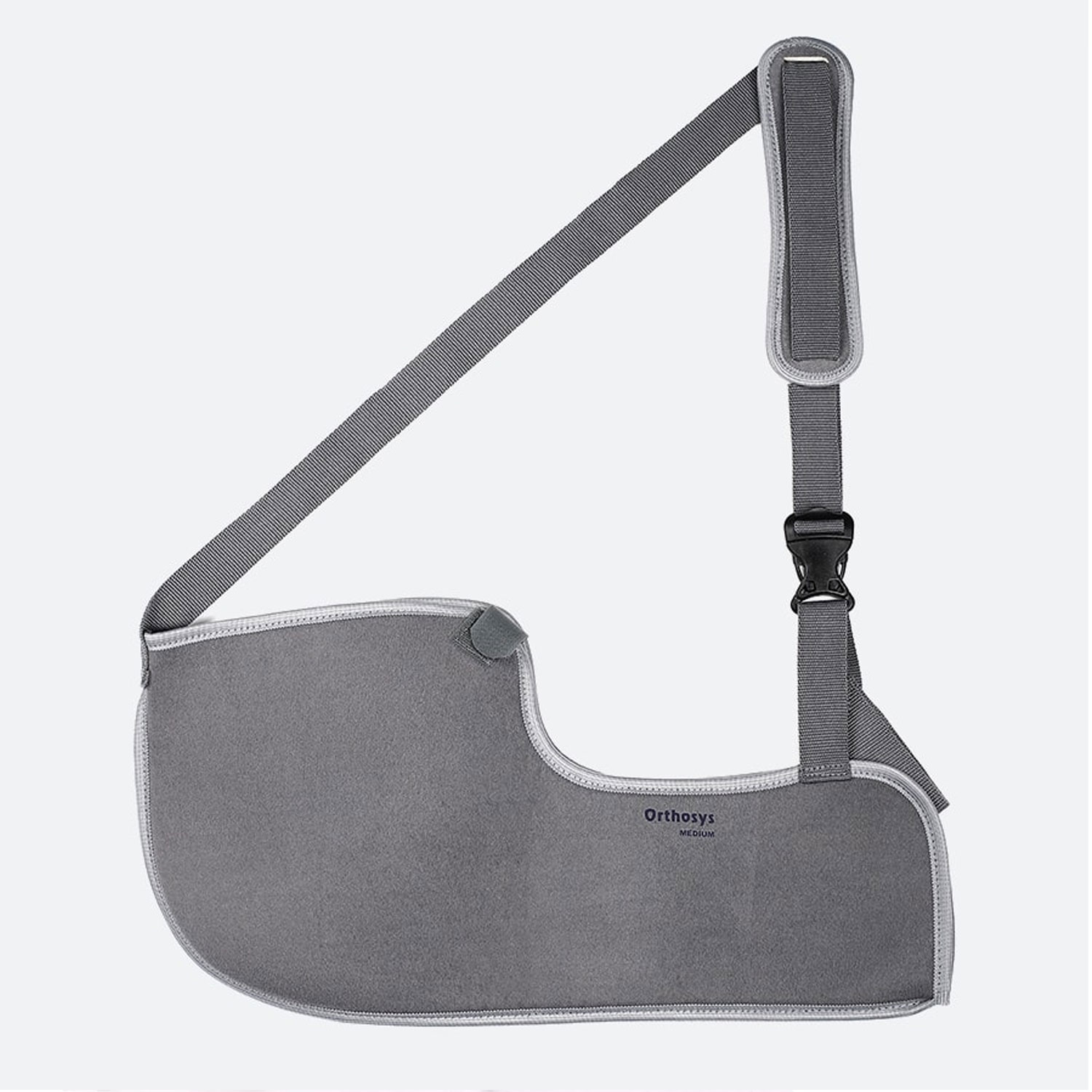
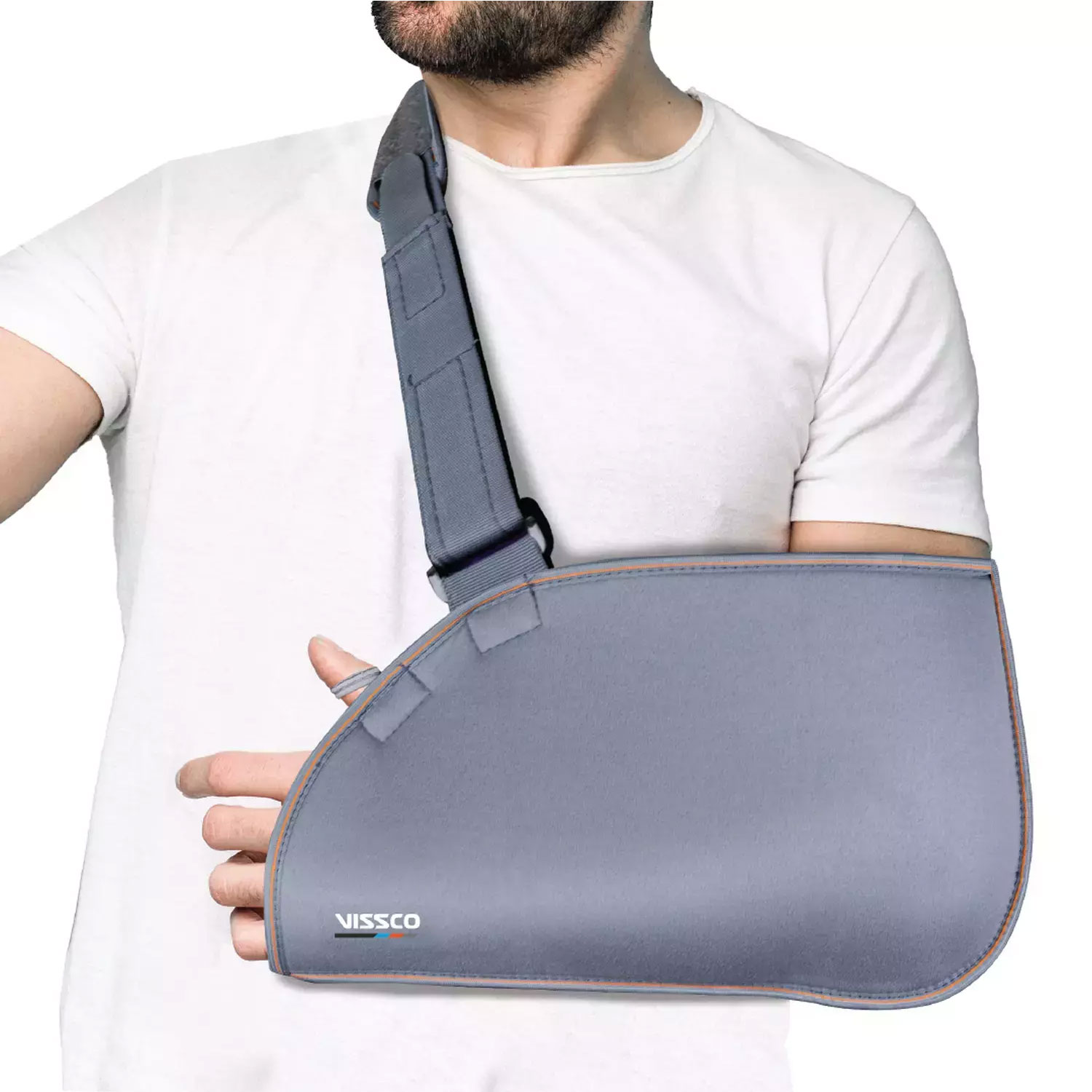
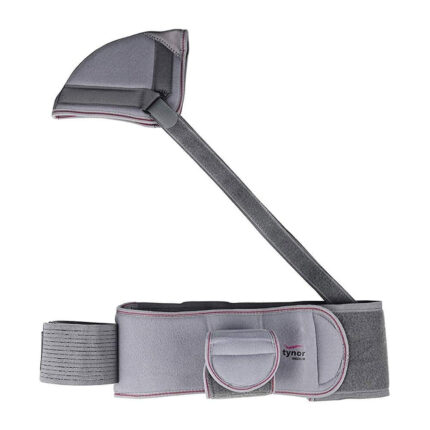
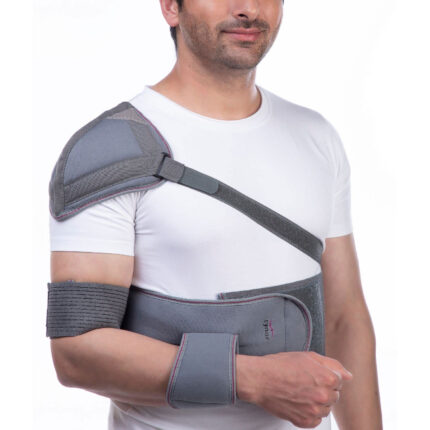
Pouch Arm Sling (PAS-02AE)

450.00

To measure the circumference around the chest below the underarm

Size Child Small Medium Large X-Large 2X-Large
Inches 22-28 27-31 31-35 35-40 40-44 44-48
CM 55-70 70-78 78-89 89-100 100-110 110-120
S
M
L
XL
XXL
SKU: N/A Category:
Description

Description

Indication for Use

A pouch arm sling is a type of medical device used to support and immobilize the arm and shoulder, usually following an injury, surgery, or for conditions like fractures, sprains, or dislocations. It is designed to keep the arm in a secure, elevated position to help reduce pain, facilitate healing, and prevent further injury.

Purpose and Indications for a Pouch Arm Sling:

A pouch arm sling is primarily used in the following situations:


1. Fractures or Broken Bones:

It is commonly used to support fractures of the arm, shoulder, or collarbone (clavicle).


2. Dislocations or Sprains:

After a dislocated shoulder or sprained elbow, wrist, or shoulder, a pouch sling helps stabilize the joint and reduce movement.

3. Post-Surgery Support:

After surgeries like rotator cuff repairs, shoulder replacements, or fractures, the sling helps in the healing process by limiting motion.

4. Muscle or Tendon Injuries:

It can be used for injuries such as muscle strains or tendon tears to provide support and reduce strain.

5. Post-trauma or Injury Recovery:

It is often recommended for post-trauma recovery to prevent excessive movement and promote proper alignment during the healing process.

Features of a Pouch Arm Sling:

A pouch arm sling typically has the following characteristics:

Pouch for the Arm: A soft, padded pouch or pocket in which the arm rests. It helps keep the arm secure and positioned comfortably.

Straps: Adjustable straps that go around the neck or shoulder to support the weight of the arm and keep the sling in place.

Elevation and Positioning: The pouch sling is designed to keep the arm at a 45° angle, elevating it slightly to reduce swelling, alleviate pain, and promote healing.

Application

A pouch arm sling is a supportive device used to immobilize and support the arm after an injury or surgery. It keeps the arm in a secure, slightly elevated position to promote healing, prevent movement, and alleviate pain. Here's a step-by-step guide on how to apply a pouch arm sling correctly:

1. Prepare the Sling:

Lay the pouch arm sling flat and untangled. Check that the straps are adjustable and long enough to fit comfortably around your neck or shoulder.


2. Position the Arm:

Gently place your arm in the sling. Elbow Position: The elbow should be slightly bent (about 90 degrees), and the wrist and hand should rest comfortably inside the sling. The hand should be positioned higher than the elbow (usually at about a 45-degree angle to help with elevation and reduce swelling).


3. Place the Sling Around the Neck or Shoulder:

Neck Strap: If the sling has a strap that goes around the neck, place it over your uninjured shoulder (or the shoulder that feels more comfortable) and adjust it to a comfortable position. If the sling has shoulder straps, position them to ensure that the sling supports the arm without placing strain on your neck.

4. Secure the Sling Straps:

Adjust the strap to ensure that the arm is well supported and the pouch is comfortably snug. The sling should hold the arm close to the body without causing excessive pressure on the neck or shoulder. Ensure the strap doesn’t rub against your neck. It should lie comfortably over the shoulder and be adjustable to avoid irritation or discomfort.

5. Check the Fit:

Make sure the arm is immobilized and supported in the proper position. Your hand should be slightly elevated above the elbow. Tightness Check: Ensure that the sling is neither too tight nor too loose. It should not cut off circulation, but it should keep the arm secure. You should be able to fit two fingers between the sling and your neck or shoulder for comfort.

6. Final Adjustment:

Once in place, adjust the sling as needed for comfort. Ensure that the elbow and wrist are fully supported and that the sling does not cause unnecessary tension on the neck or shoulder. Hands and fingers should be visible and not constricted. If the arm is swelling or becoming numb, loosen the sling and re-adjust.


Additional Tips for Comfortable and Effective Use:
Regular Checkups:

Check periodically for signs of swelling, numbness, or tingling in the hand or fingers. If you experience these symptoms, loosen the sling and consult a healthcare provider if necessary.

Pain Management:

If the arm feels uncomfortable or painful while in the sling, re-adjust to find a more comfortable fit. The sling should provide support but not cause pain.

Elevation:

The pouch arm sling may help elevate the arm slightly above the elbow to reduce swelling. Follow the instructions of your doctor regarding how much elevation is appropriate.

Comfort:

If the sling is worn for an extended period, you may need to take breaks (as recommended by your healthcare provider) to give your neck or shoulder relief.

When to Wear the Pouch Arm Sling:
Post-Surgery:

After surgeries like rotator cuff repair, shoulder surgery, or arm fractures.

Fractures or Dislocations:

If you've fractured or dislocated your arm, wrist, elbow, or shoulder, the sling will help immobilize and support the injury.

Sprains or Strains:

For muscle injuries in the arm or shoulder, it prevents excessive movement that could cause further damage.

Healing and Support:

Use as directed by your doctor during the recovery phase to minimize movement and support healing.

Removal of the Pouch Arm Sling:

When removing the sling:

  1. Gently slide the straps off the neck or shoulder.
  2. Remove the arm from the pouch slowly to avoid any sudden movements or pain.
  3. Inspect the arm for any signs of swelling or discomfort before reapplying the sling or moving the arm.
Cautions:

If the arm is swollen, numb, or tingling, loosen the sling and seek medical advice.

Do not use the sling for prolonged periods without following your doctor's instructions, especially if you need to engage in physical therapy or rehabilitation exercises.

By following these steps, the pouch arm sling will provide effective support and help in the recovery process. Always consult with your healthcare provider to ensure you are using the sling correctly and in line with your treatment plan.

Reviews (0)

Reviews

There are no reviews yet.

Be the first to review “Pouch Arm Sling (PAS-02AE)”

Your email address will not be published. Required fields are marked *